Knucklehead Chopper Tear Down: Part 1
Kevin BaasYou just picked up an antique Harley Davidson, a Harley Knucklehead Chopper in this case. What's the best way to familiarize yourself with the Knucklehead chopper? Take it completely apart, of course! Every component. Every nut, bolt, and screw. Would you expect us to suggest anything different?
A good starting point for this Knucklehead chopper tear down; drain your motor oil and gasoline. Oil lines will be removed and possibly replaced. You definitely want as little a mess as possible when removing those lines or hoses.
If the gasoline is fresh and you are not cleaning or restoring the fuel tank, the gasoline can remain in the tank. If the fuel is old & stale or looks more like something you would use to refinish furniture, you should drain the tank and flush it out as thoroughly as you can. If the tank has a lot of rust inside, one option is to have it (high) pressure washed and sealed at a local radiator repair shop. Obviously, if you plan to do something like this, it should be completed before any possible body work or paint is started.
The Knucklehead chopper transmission oil can be drained now or after it is removed from the frame. As you begin to remove main components like the fuel tank, seat, oil tank, etc; stay organized by keeping hardware together with its related components. If a bolt or screw can not be easily kept with a component, store the hardware in a labeled bag.
Even if you are fluent with your Knucklehead chopper’s electrical system or you plan on rewiring the motorcycle, you should still label all connections that are not plainly obvious unions. You never know what might come up upon reassembly. It is always smart practice to leave a "trail of breadcrumbs" as you move along. Using a bright colored painters tape and a black sharpie usually works best.
Continue watching as we break this old Knucklehead chopper down to a rolling chassis.
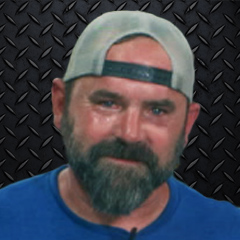
Hi, my name's Kevin Baas with "Fix My Hog." Thanks for being here. Today, we're looking at an old 1947 Harley-Davidson Knucklehead. We're trying to show it and get people involved with, if you have an old bike, how you get to learn a bike, or how do you know the bike that you ride everyday, how do you know the bike with a wrench on it? And what better way to really get to know your new motorcycle, new, old motorcycle, in this case, than to tear the bike apart, piece by piece, take it down to nothing and rebuild it back up from scratch? That way you know every nut and bolt, you know things have been torqued correctly.
You can find anything that needs to be repaired and fix it. So in this case, on this old Knucklehead that I have here, we realized the frame had some major issues that we found. So we're gonna put a new frame in it today. So we're gonna take it all apart, starting with the top and working our way down. I'm gonna explain all the process, how do you do this, keeping things organized, and knowing what's what, and where to put it, and how to put it back on, 'cause everybody can take something apart, but if you don't know how to put it back together correctly, that's gonna be a problem.
You don't want to have your bike all back together and a pile of nuts and bolts leftover, going, "Uh-oh, where do those go?" So what I'm gonna do today is go real slow and easy, walk through everything here, and just show you, if you have your motorcycle on a lift and you wanna tear it down all the way, and know what's what, and have the ins and outs, here's the process. So with any motorcycle, obviously they have gas and oil in them, usually. And if you have an old bike that's been running, they're gonna be full of gas. They're gonna have oil in the crankcase. You need to get all that out of there to be able to work on it.
Otherwise it's gonna get all over the place. In this case here, we already pre-drained our oil. To do that, there's just an oil drain plug down below. We put a oil pan to catch all that, to not let any get on the ground and tamper with that. And we got all the oil out.
I put the plug back in, so the oil tank is empty, clean and dry. Our transmission has fluid in it. We don't have to drain that. That's self-encased, there's no lines or hoses where it's gonna leak when we pull the transmission out. So we're good there.
And then the last piece, it would be the gas tank. We do have gas in there. We wanna get that out. And we necessarily don't have to drain the whole gas tank in this application, because I'm gonna take the tank off anyway. So as long as you have a working petcock and you can turn the petcock off, that'll keep the gas in there.
I don't have to drain this fully, as if I was taking this apart to weld it or fix it. So what I'm gonna do is take my gas line off here, have a little gas can to catch the residual that's in the line, get it out. Then I'm gonna unbolt my gas tank, take the gas tank off. I'm gonna remove the seat, get the seat off. And then we'll look at disconnecting wiring and electrical stuff to get all that off, so that we can move onto the bigger step, so engine and transmission and wheel disassembling.
So to start this, again, make sure your petcock is turned off. Now, everybody's gonna have different stuff on her bikes. It depends what you have. If it's a stock-style Knucklehead gas tank, you'll have a petcock that goes through the gas tank here. In this case, this is an old peanut tank, kind of a chopper addition.
It's got petcock that's down here. And this one is not your traditional style petcock. This is a spigot, almost like a faucet, turn your garden hose on and off. So I just wanna make sure that's all the way in and tight, so that when I pull this gas line, all my gas doesn't drain out all over the place and make a mess. So I'm gonna grab my gas can here, put it up on my lift.
All we need to take this off. And another thing to remember is it depends on what kind of gas lines you have. This one here is just some rubber hosing with some hose clamps. If I had a traditional stock style gas tank on here, we'd actually have solid steel lines. That's how the old Harley's ran 'em.
So this year would go around the back and go into here. We'd have a crossover tube that would connect the left and right hand side together. So you may see different styled gas lines, and just make sure you do your research and know what style you have and how it's gonna come off. These would just be coming off of the 9/16. In this case, though, we have these aftermarket just rubber lines.
All I need to do here, take my screwdriver, loosen up my bottom hose, clamp to the carb, pull that hose clamp back carefully, and then put the line in my gas can, just to let the gas drain out of the hose. And I can see my fuel filter right there, so I can watch the gas, and you may be able to see it. The gas is starting to drop down. Once that fuel filter's empty, that means my gas line is empty. So now I can take my gas line off, no more gas coming out, put my gas, secure this, put it away safe, away from any flammable areas.
And then I can work through the next step, which would be the gas tank itself to remove it. Now they're bolted to the bikes in various ways. Stock-style gas tanks bolt together all the way through bolts. There's a lower mount there, rear mount. This one, because it's a custom chopper style tank, there's just an Allen head bolt that goes through here with a lock nut on it.
And I can undo that. And then the rear, they drill a hole and put the bolt through the frame, so I'm gonna do that. So all I need for this one is 1/4-inch Allen wrench, put it in there, and then a 1/2-inch socket or wrench, 'cause in this case I can't get a socket on this bolt, 'cause it's too close to the gas tank, so I can just use my Allen wrench here and get this once it's loose. And once it's loose enough, I should be able to start spinning it freely. And it is a lock nut.
So anytime you use lock nuts, remember, they do have that plastic locking mechanism on it, so you do have to get 'em quite a ways up before you can finger tight 'em off, because that plastic does cause some friction, which is what it's designed to do, so that your bolts don't come loose on you when you don't want them to. So there, we got that one free. I can get it all the way out. And then this is step one of my disassembly. You wanna keep all your parts in check.
Don't just have a big bucket of nuts and bolts and throw this stuff in there and forget what went where. That's gonna cause problems. You like to take your stuff off, lay it out. If you have a big shop where you can have a bench, start from left to right, or wherever you want, but take all your parts off in sequence, lay 'em out with all the hardware right there, so when you're ready to put this back together, reverse order, everything's in place, you know what you got, you're not scrambling for nuts and bolts and parts and pieces. So I'm gonna take this and pull these out right now, and just set 'em on the lift while I'm working on the front one still after this rear one comes out.
I'm gonna keep them close, so I don't forget. This front one, I can actually get a socket on. So I'm gonna work on the front mount now. I got my socket. Fits on that bolt.
Get it loose. Same thing now. Oh, this is a long bolt. For the sake of ease of getting this off, I'm gonna get to the other side, where I can work the ratchet, 'cause this one just has to hold the bolt. So give me a second here, and I'm gonna walk to the other side of the bike.
Now I can reach on here, grab my Allen head. And this bolt had a lot more extra threads sticking out, so it's gonna take a little bit longer. And when I replace this one, I'll probably make note of that and put a little shorter bolt in, so there's not so much sticking out. Another thing, if you have a really nice paint job, it's good to take maybe a cloth or an old dish towel and tape it around your gas tank, so you're not bumping into your tank with the wrench and putting any chips. If you hear a that could be a chipped tank.
If you've got expensive paint job, you're gonna be going, "Ooh." In this case, this is a beat-up old tank. I'm not so worried about it. But be aware of that. Chips happen. Accidents happen.
You know, put the time in before you start this assembly to protect things you don't want to get beat up, 'cause it does happen. Okay, so now that we got that out, all my lines, now I'm gonna move back to the other side, take out bolt, then I can remove the gas tank. Again, I'll put these in the front, so I know this is my rear set. That's gonna be my front set. Pull that out.
And then just feed my washers on. Carefully wiggle my tank off. Tank comes off all in one piece. There is a lot of gas in this one, so be careful you don't lose control and drop it. It does get wishy-washy and splashy.
And then like I said, I'm gonna take my nuts and bolts, the hardware, and I'm just gonna put it right back in, and loosely snug it on. So when I go to put this back on there, I don't have to be scrambling, wondering where all my hardware went for this tank. Just a simple little thing that some people overlook it, 'cause you're just in a rush to get your stuff apart. But this is a great, great way to keep yourself organized. Now I'm gonna put this on the bench behind the bike and then I can move onto the next step.
Organization is key. The more organized you are, the easier the process will be. Okay, now that we have the gas tank off, this allows us a little more of a visual look at what was under here. And I knew right away... I'm replacing his frame, that's why we're taking this apart.
I knew right away, I saw this piece of angle iron, which showed me there must've been a crack or some sort of a structural problem with this frame, because this bar is gone. Well, now looking at the top, now that the tanks off, I can see that there's another piece that's been welded all the way along the top, so that means this whole top backbone is pretty much junk. It would need to be cut out and replaced with a new one. This is just a band-aid repair. You wouldn't want to leave that forever.
Again, why? I didn't know it was that bad. I knew we had some problem, but now I'm glad I took the tank off, 'cause this really opened up a can of worms, that I wouldn't wanna have anybody riding this bike on the road. We're gonna replace that with a new frame. So now we're gonna look at our seat.
In this case, this seat's got a welded seat hinge mount on the frame. It's an Allen wrench style there, so I'm gonna grab my Allen wrenches behind the bike. Bring them over. And then I'll see what size we got there. It's probably gonna be five, 30 seconds.
And this one, it just threads right in, so I don't have to have a wrench on the other side. Loosen up our pivot. And while I'm taking things out, some of these nuts and bolts take a little longer to get out. They may need a little lube to get them real freed up, 'cause they get rusty from time. But while I'm working on one piece, wherever my hands are, I like to just visually look at that area within that.
So while I'm screwing this out, instead of just kind of being in Neverland, I'm actually looking, I'm already visualizing how I'm gonna get that nut off for my top motor mount, and how the oil lines are hooked up. But I'm looking at, kind of foreshadowing in my head what I wanna do in the next couple of steps before I even get to 'em. That way you have a game plan. You're not doing a lot of ho-humming around and trying to figure out what to do. So this comes off.
Same thing. This is threaded. You know, it would go through there into the seat. So in this case, I'm gonna put it right back in, threaded in part way, so that I don't lose it. Now I know where it is.
I got it. I'm gonna put this behind the bike on the table next to the gas tank. Now we get a better visual, again, of kind of the whole top of the bike. We can see we have some wires coming through the frame that we're gonna have to get at. So we may have to clip some of these wires.
And when we start taking wires apart on this and doing electrical stuff, we really wanna mark everything, so we know where it came from and where it goes, so when we put this back together, you're not looking at a pile of wires going, "Geez, I don't know which one goes where. So give me one minute. I'm gonna get some tape and a marker. And we're gonna mark some wires before we disassemble. All right, welcome back.
Now we're gonna look at taken away our wiring apart on this thing, getting everything off that has to do with the wiring, electrical, headlight, taillight, and all that, and kind of stripping on all that, so that's out of the way. Wiring can be your biggest nightmare. So really make sure you take your time, know what you're doing when you take it apart, knowing what you're gonna do when you put it back together, and do it correctly. Don't cobble wires together. They're gonna short out.
They're gonna cause problems on the road. So in this case, we're gonna start up front here with our headlight. Now, this runs internal wiring in the bars to a dimmer switch, high, low, off switch, which is standard on stock bar. Even though these aren't stock Harley handlebars, these were drilled for the internal wiring. Well, that means you're gonna have wires that come through your bar somewhere and come out, and you can see there's a sheathing on this wire, so that it doesn't rub on where the hole is through the bar and short out on you.
So in this case, I'm looking at that. You'd never wanna have to pull wires through the bar, if you don't have to. It is a pain. It is the hardest part of getting wires done. So what I wanna do is find where my wires come out and where were they connected from coming out of the bars to my other wires, to the electrical equipment.
In this case, I can see there's some heat shrink here and soldered joints. So this means there's not a quick way to just unscrew a bolt and disconnect this. I'm gonna have to do some cutting. And the best place to cut a wire is where it's already been cut once and resoldered together. That way I don't lose any length off my stock wiring the way it was, and it's already been spliced there anyway, so it's gonna be easy to just resplice it when I wanna go back together.
So on here, there's some safety wire that was kind of bundling this stuff together. I wanna cut that safety wear off, so I can get out these wires a little better, trim that off. Pull my wires apart. Now, see, this was my ground wire. Ground wire was connected to the frame where the gas tank was.
So with anything, as you take it off, just mark it. You know, it's easy enough. It doesn't take you very long, Use some tape and put a little piece of tape on it, and just make a mark for yourself. In this case, I'll just write a little ground. So I'll just put this right over it, use my little Sharpie here, and write around.
That way you know that's ground when you take this thing and go to put it back together. Now my other ones, I'm not quite sure which is high, low or whatnot, so I'm just gonna mark the wires both sides. I'll mark wire one, wire two, and then this wire is going down to my generator, which is power. So I know I need that one to be going to power. And this one comes down and around.
I'm not gonna cut this one yet, 'cause I think that one goes to the generator, where I can actually take a little nut off and remove that, so that this doesn't have to be resoldered later. So now I'm down to only have to cut two wires, which isn't bad for the front of the bike. So I'm gonna take my tape again, and some good painters tape, you know, just something that'll stick, but you don't wanna use like a gorilla tape or duct tape, stuff that's gonna be hard to get on and off. This stuff is nice, 'cause it's easy to put on, easy to take off. It does stick fairly good.
And it'll allow you to make your marks that you need, and then take it off when you're done, and it won't be in the way. So I'm gonna wrap around both sides of this, and then I'm just gonna cut it right in the center, so that I can write on this. And I probably grabbed a little too long of one, but that's all right. I'll take my wire, and I'm gonna write number one on this side, and number one on that side. So now I know I have one and one, and then I can cut right in between those two.
And now I know when I go back together, one goes to one. And now being that we're not gonna splice any other wires, I really don't have to mark the other one. No sense to, right? 'Cause all I have to worry about is one and one, and then these two that aren't marked at all will go back together. So now I know I have my wires figured out.
So when this comes out and I go to put it back together, the non-marked one goes to the non-marked one. Number one goes to number one. This goes to ground. This wire here we know it goes down to the generator. It's got a bolt on the post of the generator.
So I'm gonna go get this bike turned around, unbolt it from down below, show you how that's connected, and then we'll go from. All right, now that we have the bike spun around and get a look at this side, we can see that this is a generator. So these old style bikes all run off a generator. The generator creates power to recharge your battery, if you have one. In this case, 'cause we're running a Magneto, this generator just powers your lights, your headlight, taillight.
This has nothing to do with the ignition on this bike, 'cause it has a Magneto. And, also, this has been converted to a 12-volt system. So this is a 12-volt Cycle Electric generator with an end mount regulator. So the regulator is built in at the end. So your output comes out of the generator correctly.
It doesn't overcharge your battery, if you had one, or it won't burn out your bulbs. So there's two posts on these generators you always see. Okay, there's a B terminal, which is battery, which means your power, coming out would go to your battery, if you're charging your battery off it. The top one is, actually, your light. So if you have a warning light, if your generator fails, you'd go to that one.
And then your generator light would come on if this isn't functioning properly. Again, for that, you would need a battery system, so you turn your ignition key switch on, you would see the battery generator light come on. Once you start the bike and the generator's spinning, that light goes off. With a Magneto system like this, no key switch, none of that, I don't have it hooked up, 'cause I don't need it. It's not doing me any good.
So this is a 5/16, small little a bolt on there. It's a brass post bolt. Be careful, don't snap them off. And what I'm gonna do is loosen this up, take the nut off, and then I can pull my wire that goes up to my headlight off. So this is basically just giving me direct power right to my headlight as soon as the bike is running.
'Cause, again, no battery, Magneto only, 12-volt generator. Just like anything else, put my nuts and bolts close, so I can quickly put them back on. I got my wire off now. I can see that. And this bike has a lot of speed wire going up and around it.
So I'm gonna run to the back here, grab my clip, my clippers, and I'm gonna clip all the speed wire or safety wires, as it's called. I call it speed wire, 'cause we always put it on any bikes that we race. Get that off of there. And one more down here. This bike must've been really fast with all this speed wire.
All right, now that we have that off, I can pull out wire it was up through. Now, this wire, for my handlebars, is gonna stay intact, because what this wire's doing now, when the bikes running, the generator is pumping power all the way up through into my handlebar, goes through the switch. So now it'll tell me if I want high or low using the switch, comes back out of there into the headlight. So this is a self-contained system. This had nothing to do with the back of the bike or any other lights, so I'm just gonna take this.
I'm gonna wrap it around my handlebars safely, 'cause I'm not gonna be taking these bars apart. And that way it's out of the way and it's just here. So when I put the bike back together, I know what to do to grab that wire and hook it back up to the generator. Okay, so now that we have all the lights done, I can pull my wires here. They were fed through the front end.
Be careful not to lose my tape or markings, which I just did, so I wanna make sure I stick that back on there, and my last one could come through. And I think at this point, I'm gonna leave these right here, because when I rebuild this bike with a new frame, I'm gonna still run this headlight. I'm not gonna change the headlight. So there's no reason pulling all the wires, you know, getting things off, 'cause I'm gonna have this still on there when I put it back on. And to make it easier on myself, just leave the wires.
That way they're tucked up nice out of the way. You just don't want the wires dangling, when it could get in the way when you're trying to take the front end off. So now we're down at the front of the bike with the headlight. Now we're gonna spin the bike again and we're gonna take off the tail light. And before we spin it, this tail light was connected the same way to the generator.
So now I can, while I have that wire off still, grab my generator wire/ Get it off of there, and it's a little beat up. Come on. So this is the wire now that feeds all the way back to my taillight to give my taillight power. So this actually goes to the brake switch. From the brake switch, you have two posts coming off.
One goes to the taillight that's running all the time. The other one from the brake switch, when you hit the brake pedal, it actuates your stop brake light. So this is the same thing, where I'm just pulling it off. I'm gonna feed the wire back through. So I'm gonna turn the bike around again now, so we can get a look at the other side and finish up disassembly.
All right, now that we have the taillight power wire off, now we need to feed it back through the frame or wherever it may be. In this case, it runs behind the carburetor support mount. And this is gonna go down to our mechanical brake switch. So our power, like I said earlier, goes to the brake switch. From the brake switch, it goes to your tail light for an always on, and then the brake light, so when you hit the brake, it actuates the brake.
So we're gonna take this and loosen it up. And this one here has got quite a bit of grease and grime on it. So I'm gonna have to dig in a little bit, but we should be able to get that off. It's just a couple of little bolts that hold on. There we go.
A little screw there. So you can see now the screw, even though it's all greased up, but that screw holds it on to the top post of this brake switch. Then there's another wire at the bottom of the brake switch that runs back to the taillight. So this one here, I'm gonna disconnect these two apart from each other. So this is my power from the brake switch to the generator.
So, again, mark everything. I'm gonna put a little piece of tape on that. Just make a note to myself. Power, break and generator. So now I know this is power to my brake and generator.
I can put this aside. Again, lay everything out in order as I take it off, so I keep it organized. Feed that wire through. Now we'll take the bottom connector off the switch, just small little screws. Again, sometimes they get little gunked up from time and grease and uses.
Just gonna make sure I can get at it. I don't wanna strip anything out. Always be careful when you're disconnecting things, so you don't strip anything. If you strip out these little threads, then it's gonna be pretty much useless, and you'd have to get a new switch. So now I have my brake light and taillight power wires here, they feed through my battery box.
I'm gonna pull them up. And then they come up underneath. They ran my frame rail, I see, and then came through this old sidecar loop mount there. So, again, I'll take my snips, which is over here. And I wanna snip off all the safety speed wire without cutting my actual wires themselves, which is a no-no.
The less areas of connection where you have to resolder or reconnect wires, the better. You wanna try to have a good, solid single line running through. This one's got a little zip tie holding that together. And, again, with old bikes, be ready to get dirty. You can see I got grease all over me.
Don't be afraid of a little grease. Just have some good wipes ready to go. But with these old bikes, with time, with using them, if you're tearing one apart that's been ridden for years, you're gonna get dirty. Dress appropriately, be ready to get a little dirty. I'll pull on my wires.
I can wrap them around the taillight. And then my last step here is gonna be to disconnect my taillight bracket and license plate bracket from the frame. And in this case, they're just bungs that are threaded, so nothing's been welded to the frame, which is great. Nothing worse than seeing an old frame have things welded on that shouldn't be there. So now I'm gonna go to my tool chest behind the bike.
I'm gonna grab a 1/2-inch wrench, which it looks like it's a 1/2-inch, and I'm gonna loosen those bolts. I'll be able to remove my tail light. And then all of our wiring's disconnected on this, Because this is a Magneto system, it's very simplified. These wires off the Magneto are only plug wires. They go right to the plugs.
When you turn this over, this creates spark, it fires. I don't have to have any other wires to that Magneto. Nothing. And being that there's no battery, no switches, no other relays, all I have is a headlight, high, low, tail light, brake light, and that's it, so this is a pretty simple disassembly. So I'm gonna grab my 1/2-inch.
I'm gonna need a short one. Tighty righty, left loosey, always. Again, these are some long bolts in these. Usually you don't need such a long, long bolt. A little overkill.
That was a short one. So the top one was a short one. That's about the right size. All you need. As long as you've got a good 1/2-inch, it'll hold in.
This bottom one, for whatever reason, they must've ran out of the short ones, is about an inch too long, so it goes in there a country mile. So you can see the difference. Don't need that much. Way overkill. So I'll probably replace that when I do put it back together.
But as always, thread your bolts back into where they came from, so you don't forget where they came from. And what's great, again, about these original frames, nothing was cut, chopped, welded on this. To make this license plate work, it's just a couple threaded bungs welded into the back of the plate. They bolted right into the stock mounts. Easy on, easy off.
Great little chopper modification. Great way to not wreck history. 'Cause even though you built a chopper or bobber now, now you may wanna go back to stock 10, 12, 15 years from now, whatever it may be. And there's nothing worse than having a frame that's been cut up, chopped up, welded on. Then it's a whole lot more work.
So with that off, I'm gonna put that in my lineup here with the electrical. And as you can see, from that point right now, we've got everything disconnected electrical wise, and this thing's ready to go to the next step. All right, now we're gonna remove the oil lines from the bike in preparation for oil tank removal. The oil lines here, you can see, we have a couple fittings. We have our breather.
We have our return. And we have our feed line. All these lines just thread in. As you can see here, this is a stock steel oil line. What it would look like, the kind of threads it has and the fitting style.
And on this bike, there's actually been some modification with some rubber hose in some different areas. A lot of times in the old days, if a hose gets kinked or broken, they would just cut it off, splice in some rubber hosing. So when we rebuild this bike, we'll probably replace some of these lines with the nice new stock ones that don't have any breaks or kinks or repairs done to them. To take these off, I'm just using a crescent wrench at this time. And it's just a fitting that loosens up.
Once you were moving oil line, real important, once your oil line's off, consider this system compromised, which means don't trust that it's gonna be clean when you put it back on. The worst thing for your engine and your motorcycle and any vehicle is grit, grime, grease, dirt, rocks, you name it. Any garbage gets in this oil line, it's gonna get pumped in your bike system, and it's gonna wreck your bike. It's gonna go through and it's gonna tear up the internals of your bike and make it need to be a full repair. So when I take stuff off, I always tell myself, make sure I know I need to parts wash this, clean it real good, make sure I blow it out with clean compressed air, and make sure that the lines are 100% clean, debris-free, dirt-free, and ready to go back on.
So keep that in mind. Just be ready to do some cleanup on this stuff after they're off. Line comes off. And this one, because it's got that rubber hose, I can kind of pull it down out of the way. The same is gonna hold true for my oil tank itself too.
Now that we have some compromised lines here, you can see there's actually some thread sealant on there, that could get in your oil tank. That could cause problems. You gotta clean your oil tank out real good. Get all that stuff off of there before you would ever reuse or reassemble this. So keep that in mind.
Always put yourself in that position that you're gonna do things correctly. Sometimes the correct way takes a little bit longer, but in the long run, it's the right way to do it, so you don't have to worry about damaging equipment and costing you thousands of dollars down the road for unneeded repairs. Both oil lines off. Now I'll be able to remove my oil tank, fender, and some other key components, we'll get after that in a minute.
Share tips, start a discussion or ask other students a question. If you have a question for an expert, please click here.
Already a member?
No Responses to “Knucklehead Chopper Tear Down: Part 1”